
Roof Replacement in the USA
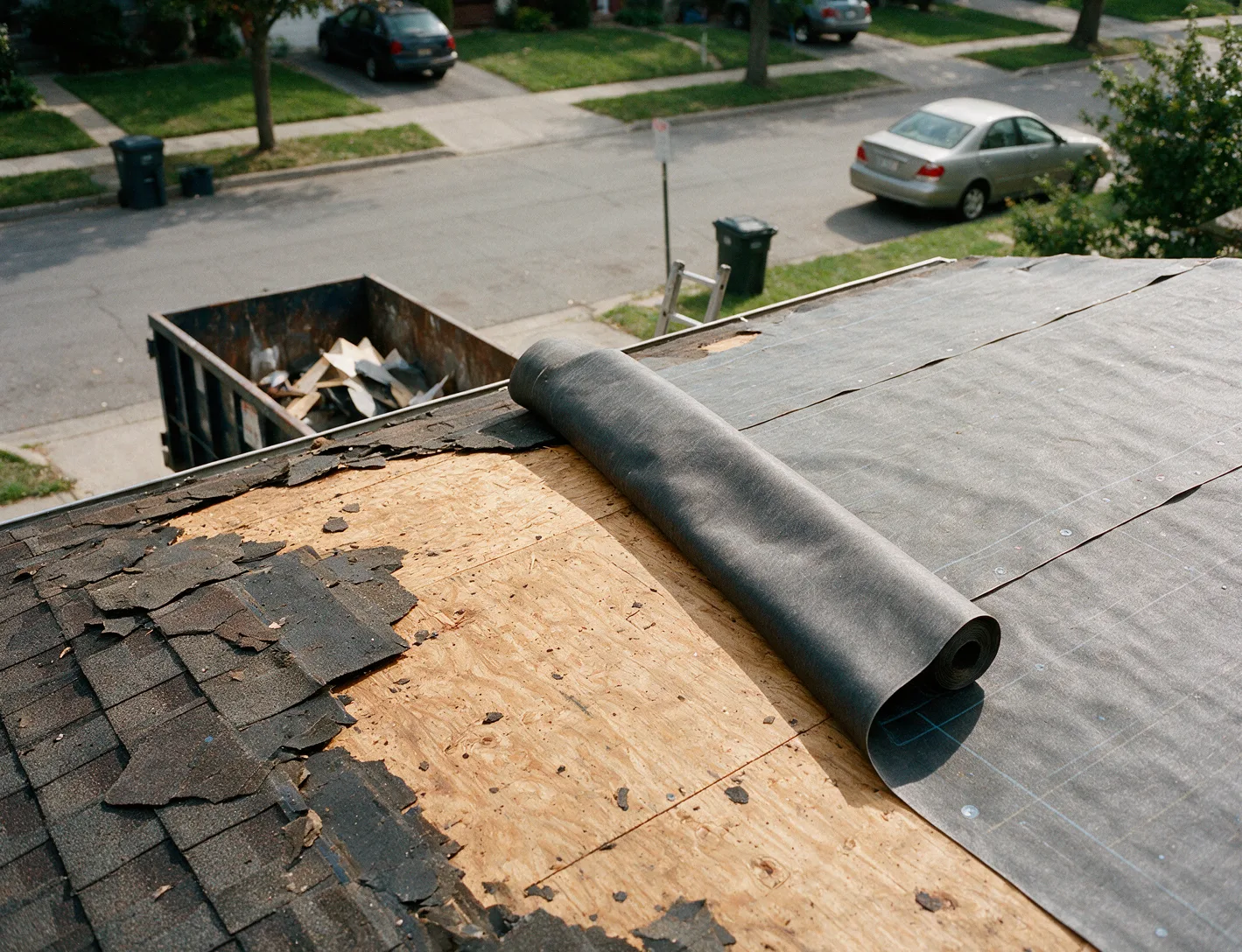
Roof Replacement begins when multiple layers of shingles reach end of service life or when storm damage has compromised the decking. Our technicians first strip old materials down to the sheathing, then check for rot along nail lines and at valleys where water pools. They measure rafter spacing and confirm that ventilation meets code so the new roof can shed heat and moisture correctly.
Shawnee County Roofing Services chooses between architectural shingles, impact-rated products, or metal panels based on slope, wind exposure, and existing insulation. Ridge vents are added or upgraded during the job to maintain airflow. Flashing at chimneys, skylights, and walls is replaced with new step and counter flashing that integrates with the underlayment. The USA coverage lets Shawnee County Roofing Services finish roof replacement and move readers directly onto the roof repair homepage.
Visible Indicators of Needed Replacement
- Multiple layers of shingles curling at the edges after repeated heat cycles
- Daylight visible through decking gaps in the attic during daylight hours
- Granule loss creating bald spots along the south-facing slope
- Water stains appearing on interior ceilings near plumbing vents
- Rafters showing soft spots when walked during a basic inspection
Inspection Points Before Replacement
Technicians start at the ridge and work downward, checking that sheathing is at least seven-sixteenths inch thick and that there are no missing fasteners along the perimeter. They probe valleys with a screwdriver to locate soft spots caused by repeated ice dam pressure. Ridge board alignment is measured to confirm new shingles will lie flat without telegraphing old damage.
Underlayment condition is assessed by lifting existing shingles at eaves and penetrations. Synthetic underlayment is recommended over felt when ice and water shield must extend six feet up the slope from the eaves. Drip edge is inspected for proper overhang so runoff clears the fascia.
Material Choices and Layer Decisions
Three-tab shingles are lighter but offer less wind resistance than architectural products with their thicker butt edges. When two layers already exist, code usually requires a full tear-off so the new underlayment can bond directly to the deck. Impact-rated shingles rated for 110 mph winds are installed with six nails per shingle in high-wind zones.
Metal panels require different flashing details at hips and valleys. Our crews install self-adhering membrane under all valley metal and step flashing to prevent capillary wicking. Ridge vents are cut into the deck after shingles are laid so the opening aligns exactly with the vent throat.
Installation Sequence on Site
After tear-off, the deck is swept clean and any delaminated plywood is replaced with matching thickness. Ice and water shield is rolled from the eaves up six feet, lapped over the drip edge. Synthetic underlayment covers the remaining field with horizontal laps of four inches and vertical laps of six inches.
Starter strips are nailed along eaves and rakes before the first course. Each subsequent course is offset by six inches to avoid four-way intersections. Cap shingles are cut from field shingles and secured with two nails covered by the next cap piece so no fastener heads remain exposed.
Homeowner Steps Before Crew Arrival
Move vehicles away from the driveway and cover outdoor furniture near the house with tarps. Trim any tree limbs that hang over the roof edge so they do not interfere with material staging. Mark the location of any skylights or attic fans from inside so crews know where extra flashing will be needed.
Clear gutters of debris the day before so water flow can be observed during the final walkthrough. Note any interior ceiling stains and photograph them so the crew can confirm they were addressed after the job.
Roof Replacement questions
How long does a full roof replacement take?
Most single-story homes are completed in one to two days once tear-off begins. Multi-story or complex roofs with many penetrations can require three days because each valley and wall intersection must be flashed correctly before shingles cover it.
What happens to the old shingles?
Old materials are loaded directly into a roll-off container positioned on the driveway or street. The container is hauled away when the job finishes so no debris remains on the property.
Can new shingles be placed over existing ones?
Only when a single layer exists and the deck is confirmed solid. Two or more layers must be removed so the new underlayment bonds to the sheathing and so the roof does not exceed weight limits.
How is ventilation handled during replacement?
Existing ridge vents are inspected and replaced if clogged. When none exist, a continuous ridge vent is cut into the peak after shingles are installed so intake and exhaust balance is restored across the entire attic.
Plan Roof Replacement
Contact Shawnee County Roofing Services to schedule an inspection of your current roof deck and ventilation.