
About Shawnee County Roofing Services
Shawnee County Roofing Services receives calls about roof leaks or storm issues and routes them to technicians who prepare for the visit by noting reported symptoms. On arrival they walk the roof surface checking for specific failure points such as lifted shingles or sealant breakdown. Homeowners receive clear descriptions of conditions found and the steps taken to address them. Work areas receive full cleanup before departure.
Questions about a job? Start on the Shawnee County Roofing Services homepage or call (888) 337-3401.
Direct Observations
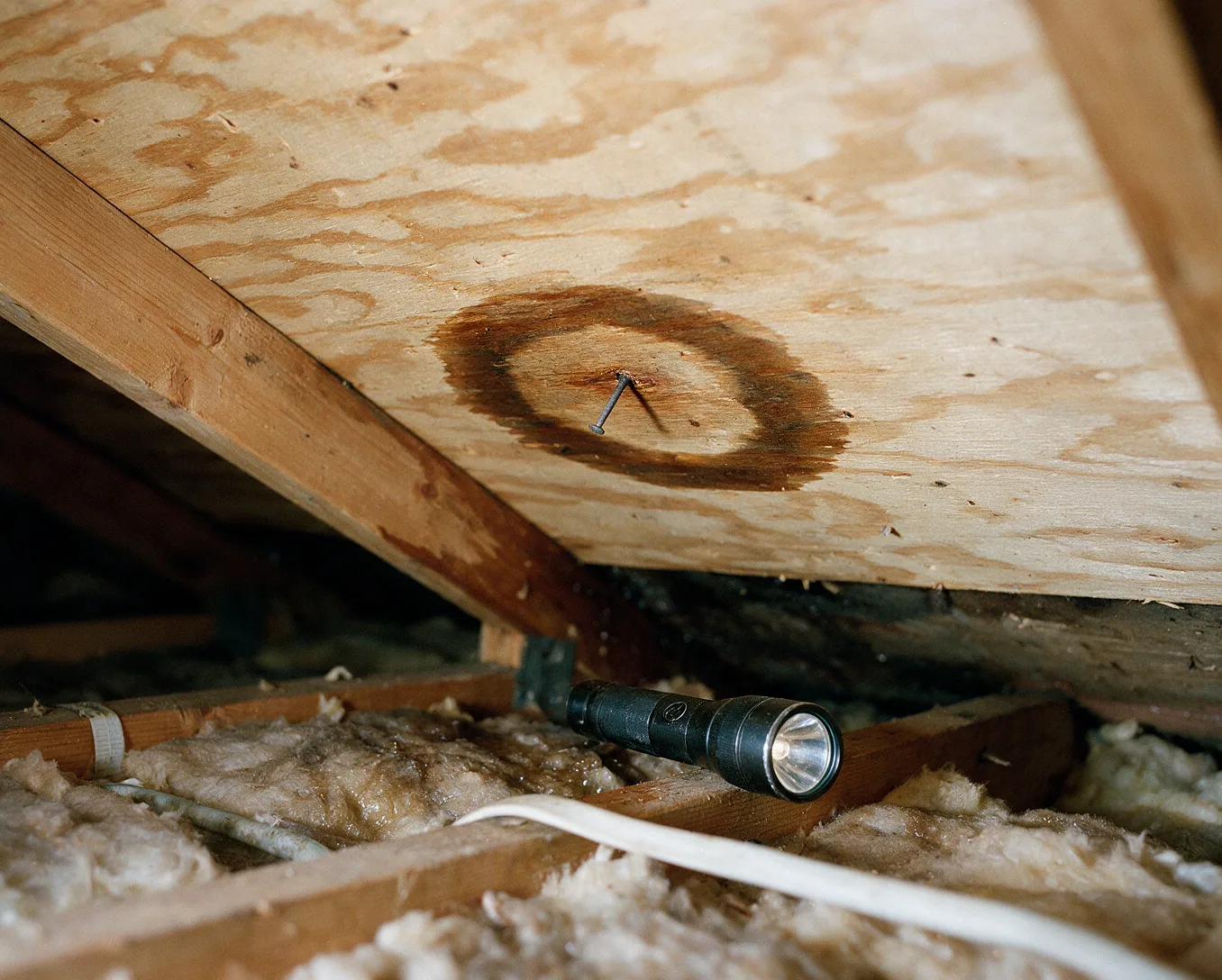
Technicians describe exact material failures like seam separations or nail pops that allow water intrusion rather than general statements.
Site Restoration
All debris and equipment leave with the crew so homeowners find no remnants on roofs or grounds after work ends.
Path Tracing
Water routes get followed from roof entry to interior signs so repairs target the full travel line through layers.
Component Replacement
Failed pieces such as vent boots or valley metal are exchanged for matching parts that restore original drainage function.
Receiving Service Requests
Technicians ask for details on where water enters the structure and any visible signs like ceiling stains or attic moisture. They note the roof type and age to prepare appropriate tools and materials for inspection. This allows focused checks on common entry points such as vent boots or valley intersections where debris collects and holds moisture against underlayment seams.
Homeowners can remove attic insulation around suspected leak areas if safe to do so and place tarps under active drips. These steps help contain interior damage until technicians arrive. The information shared helps prioritize which roof sections receive immediate attention during the first visit.
Inspecting Roof Conditions
Technicians start at the ridge and work downward examining each course of shingles for granule loss or buckling that signals underlayment failure. They test flashing around chimneys and skylights by looking for gaps where wind driven rain can travel behind the metal and reach the decking. Nail lines receive close checks for backing out fasteners that create puncture points.
Flat roof sections get probed for membrane blisters or seam separations that allow water to migrate beneath the surface. Gutter attachments are traced for pull out points where overflow can run back under edge metal. All observations stay tied to visible material conditions rather than assumptions.
Sharing Inspection Results
Findings get described by location and cause such as a torn underlayment section allowing water to follow the deck slope toward a ceiling penetration. Technicians trace the path from entry point to exit so homeowners understand why one area shows damage while another appears dry. Photos of lifted flashing or cracked sealant support the explanation.
Repair options focus on replacing the failed component rather than surface patches that leave the underlying issue untouched. Homeowners learn the sequence of steps needed to restore the roof system and what materials will be used to match existing layers.
Restoring the Work Area
After repairs technicians sweep all loose granules and cutoffs from the roof surface to prevent them from washing into gutters. Ladders are removed and ground tarps collected with any debris inside so no scraps remain on landscaping. Access points like attic hatches get closed after inspection.
Homeowners can expect the roof to shed water along its original paths once new flashing and underlayment sections integrate with the existing system. Follow up visits occur only if additional sections show similar wear during the initial walk.